
Favorite Tools and Supplies for Roofing Service to Improve Job Performance
Browse trusted products that make roofing installations and repairs faster, safer, and more effective.
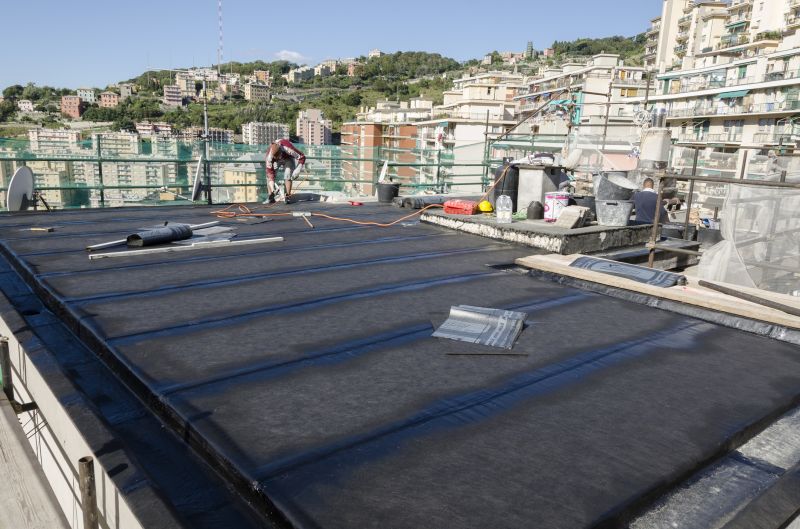 In Seekonk, Massachusetts, maintaining the integrity of roofing systems is essential for both residential and commercial properties. The selection of appropriate products for roofing services can significantly influence the durability, safety, and longevity of a roof. From foundational tools to specialized materials, a comprehensive range of products is available to support roofing professionals and DIY enthusiasts alike. These products are designed to address various aspects of roofing, including installation, repair, maintenance, and inspection.
Top Overall Option
High-Performance Roofing Membrane
A high-performance roofing membrane offers a versatile and durable solution for various roofing applications. It is designed to provide reliable waterproofing and weather resistance, making it suitable for flat roofs, low-slope roofs, and renovation projects. When selecting a roofing membrane, considerations such as ease of installation, compatibility with existing materials, and longevity are key. This product type often features advanced formulations that enhance flexibility and UV resistance, contributing to a longer lifespan and reduced maintenance needs.
Types of Products For Roofing Service
Roofing Shingles
Various types of shingles, including asphalt, wood, and metal, are used for different aesthetic and functional purposes in roofing projects.
Roofing Underlayment
Underlayment provides an extra layer of protection beneath the main roofing material against moisture and weather infiltration.
Roofing Sealants and Adhesives
Sealants and adhesives are essential for ensuring watertight seals around flashing, vents, and joints.
Roofing Nails and Fasteners
Specialized nails and fasteners secure roofing materials in place, offering durability and resistance to weather conditions.
Roofing Flashing
Flashing directs water away from critical areas such as chimneys, valleys, and roof penetrations to prevent leaks.
Roofing Safety Gear
Safety equipment like harnesses, helmets, and fall protection systems are vital for safe roofing operations.
Roofing Tools
Tools such as roofing hammers, pry bars, and cutting tools facilitate efficient installation and repairs.
Roof Ventilation Products
Proper ventilation products help regulate temperature and moisture levels within the attic space.
Roof Inspection Cameras
Inspection cameras enable detailed visual assessments of roof conditions without invasive procedures.
Roof Coatings
Coatings protect roofing surfaces from UV rays, weathering, and minor damage, extending the roof's lifespan.
Gutter Systems
Effective gutter systems channel water away from the roof and foundation, preventing water damage.
Roof Drainage Accessories
Accessories like scuppers and drains assist in managing water flow on flat or low-slope roofs.
Roof Repair Kits
Repair kits provide essential materials for patching and sealing minor roof damages quickly.
Roofing Membranes
Membranes are used in waterproofing applications, especially for flat and low-slope roofs.
Insulation Materials
Insulation enhances energy efficiency and provides thermal regulation within the roofing system.
Roofing Fastening Tools
Specialized tools designed to install fasteners efficiently and securely on various roofing surfaces.
Popular Choices
Widely used for their affordability and ease of installation, asphalt shingles are common in residential roofing.
Metal panels are valued for their durability, longevity, and low maintenance requirements.
These underlayment rolls are popular for providing an extra moisture barrier beneath primary roofing materials.
Sealant tubes are frequently used for sealing around flashing, vents, and small leaks.
Corrosion-resistant nails are essential for securing shingles and other roofing components.
Pre-cut flashing kits simplify installation around chimneys, skylights, and roof valleys.
Harnesses and safety lines are crucial for ensuring safety during roofing operations.
High-resolution inspection cameras are trending for their ability to detect issues early.
Spray coatings are popular for quick application and providing a protective layer on existing roofs.
Gutter guards help prevent debris buildup and reduce maintenance needs.
Ventilation fans are in demand for improving attic airflow and reducing moisture buildup.
Patch kits are frequently used for quick fixes on minor roof damages.
Insulation boards are commonly selected for their thermal properties and ease of installation.
Waterproofing membranes are gaining popularity for flat roof waterproofing solutions.
Choosing the right products involves understanding the specific requirements of each roofing project. Factors such as roof type, material compatibility, weather conditions, and safety standards play a crucial role in decision-making. High-quality tools and materials can facilitate efficient work, reduce the likelihood of future issues, and ensure compliance with local building codes. Whether it's selecting the appropriate roofing membranes, sealants, or safety gear, informed choices can lead to better outcomes.
The diversity of products available means that professionals and homeowners must carefully evaluate their options. Proper planning and knowledge about the latest innovations in roofing technology can help optimize project results. In Seekonk, MA, where weather variations can impact roofing conditions, having reliable and suitable products is particularly important. Investing in the right supplies can make a significant difference in the ease of installation and the longevity of the roof.
Overall, the right selection of roofing products can streamline the work process and contribute to a successful roofing project. Staying informed about available options and considering the specific needs of each job ensures that the chosen products will perform effectively over time. This approach helps protect property investments and enhances safety for those working on or around the roof.
Key Buying Considerations
- Compatibility with existing roofing materials and structures.
- Weather resistance and durability suited to local climate conditions.
- Ease of installation and whether professional help is required.
- Material lifespan and maintenance requirements.
- Compatibility with safety standards and building codes.
- Cost-effectiveness over the long term.
- Availability of replacement parts or accessories.
- Weight of materials and impact on roof load capacity.
- Resistance to UV rays, wind, and moisture.
- Environmental factors like corrosion resistance.
- Ease of handling and transportation of materials.
- Warranty and manufacturer support.
- Environmental considerations, if applicable.
- Compatibility with insulation and ventilation systems.
- Flexibility for future repairs or modifications.